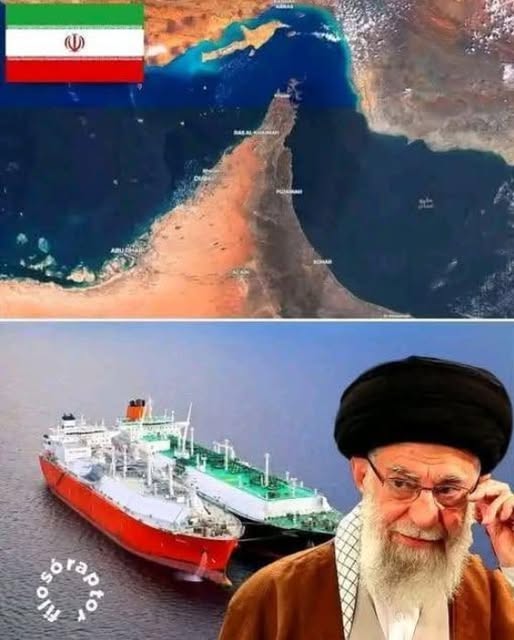
BREAKING: Iranian Parliament Approves the Closure of the Strait of Hormuz… What It Means and What’s Actually Happening
The Strait of Hormuz: Why It Matters
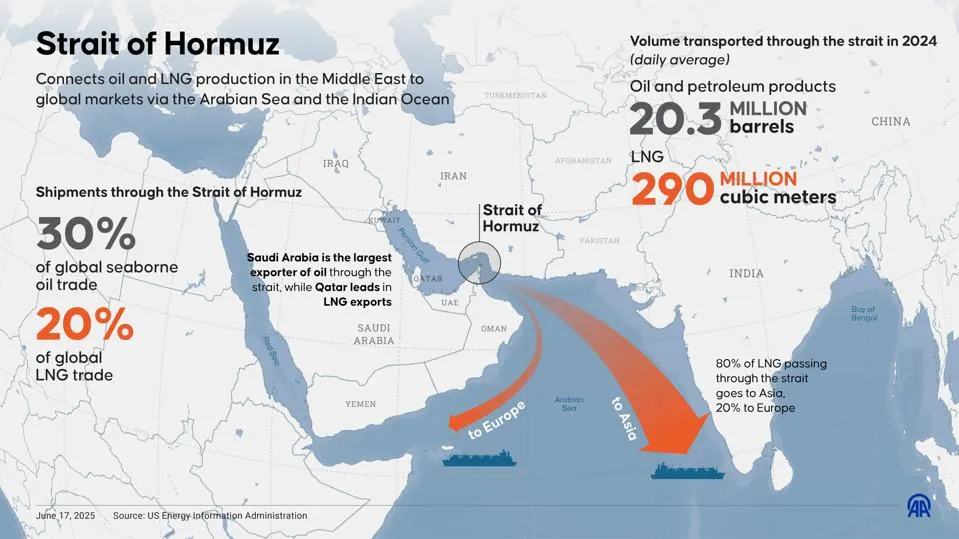
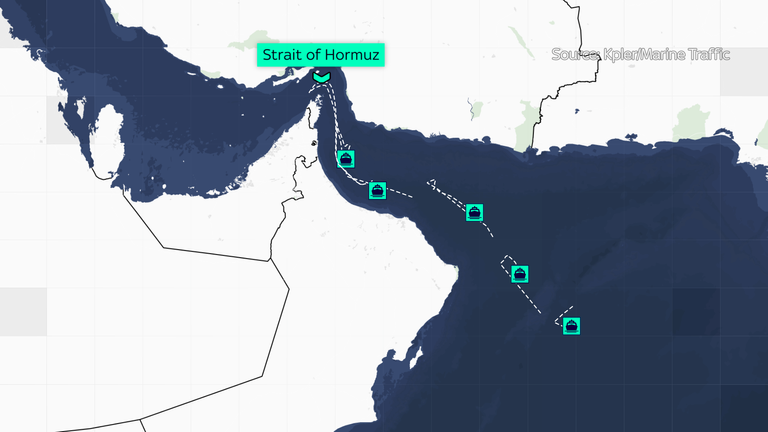

The Strait of Hormuz is a narrow passage connecting the Persian Gulf to the Arabian Sea. It serves as a critical artery for global energy supply, with roughly 20% of the world’s oil passing through it each day. Major oil-producing countries—including Saudi Arabia, Iraq, Kuwait, and the United Arab Emirates—rely on this route to export crude النفط to international markets.
- A sharp spike in global oil prices
- Disruptions to international shipping and trade
- Heightened military tensions involving multiple countries
- Economic ripple effects across global markets
Because of its importance, the strait has long been a focal point in geopolitical tensions, particularly involving Iran and the United States.
Iran’s legislative body, the Islamic Consultative Assembly, does have the authority to pass resolutions and signal political intent. However, decisions related to military action—especially something as significant as closing the Strait of Hormuz—are not made by parliament alone.
Ultimate authority rests with Iran’s top leadership, including:
- The Supreme Leader, Ali Khamenei
- The national security establishment
- The military, particularly the Islamic Revolutionary Guard Corps
This means that even if parliament “approves” or recommends closure, it does not automatically result in immediate action. In many past instances, similar announcements have been symbolic—intended to send a political message rather than signal imminent التنفيذ.
Historical Context: Threat vs. Action
Iran has, over the years, repeatedly threatened to close the Strait of Hormuz during periods of heightened tension, particularly in response to sanctions or military pressure. However, it has never fully carried out such a closure.
Why?
Because doing so would be extremely risky—even for Iran itself. Closing the strait would:
- Trigger a likely military response from the United States and its allies
- Disrupt Iran’s own oil exports
- Escalate into a broader regional or even global conflict
For this reason, many analysts interpret such statements as strategic signaling rather than operational planning.
Military Reality on the Ground
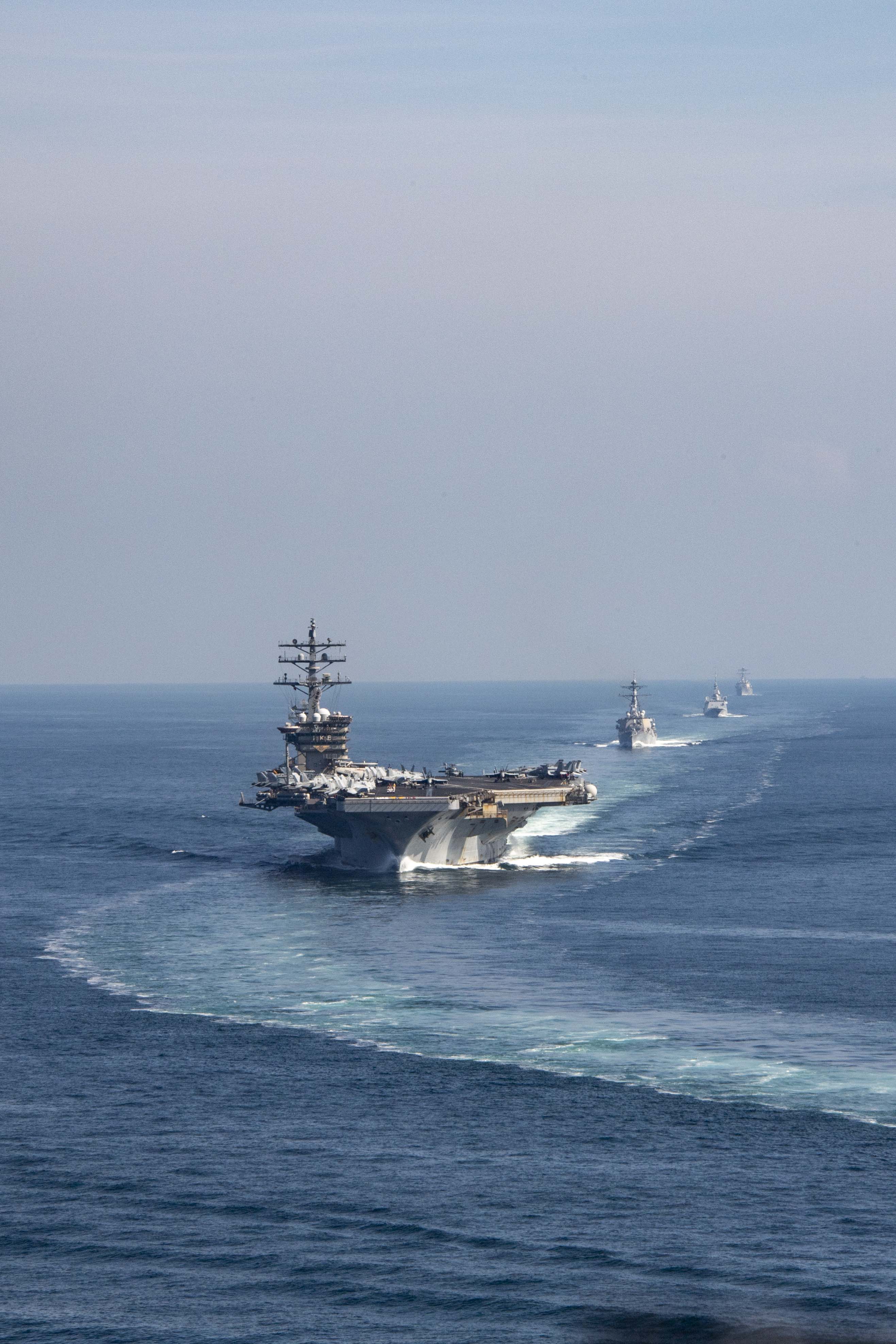

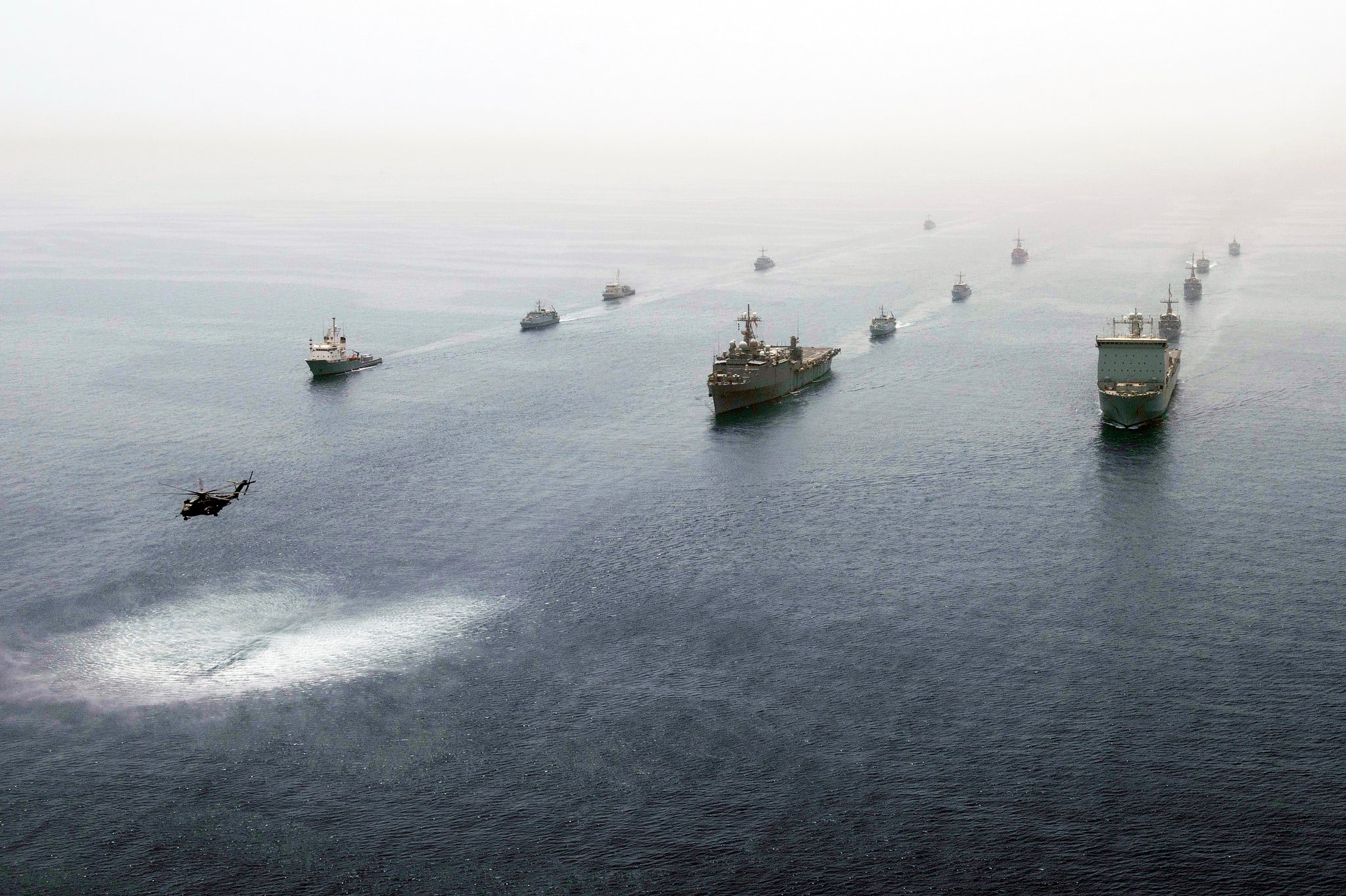
The waters around the Strait of Hormuz are heavily monitored and patrolled. The United States Navy maintains a significant presence in the region, often working alongside allied forces to ensure freedom of navigation.
Iran, for its part, has developed asymmetric naval capabilities, including:
- Fast attack boats
- Naval mines
- Anti-ship missiles
While Iran could potentially disrupt traffic temporarily, a sustained closure would be difficult to maintain in the face of international სამხედრო pressure.
Why These Headlines Spread So Fast
The phrase “BREAKING: Iran closes the Strait of Hormuz” is designed to provoke urgency and चिंता. But often, these viral posts:
- Omit key context (such as “parliamentary discussion” vs. actual military action)
- Use exaggerated or incomplete translations
- Spread before official confirmation is available
Social media accelerates this process, allowing unverified claims to reach millions within minutes. By the time clarifications emerge, the initial panic may already have taken hold.
What We Know Right Now
Based on patterns from similar past events, here’s the most likely scenario:
- Iranian lawmakers may have discussed or symbolically approved a measure related to the strait
- No confirmed, বাস্তব closure of the Strait of Hormuz has occurred
- International shipping is likely continuing, possibly under heightened alert
- Governments and military forces are monitoring the situation closely
The Global Stakes
Even the suggestion of closing the strait is enough to shake markets. Oil traders, governments, and military planners treat such تصريحات seriously, even if they do not result in immediate action.
If a closure were ever to happen, the consequences would be severe:
- النفط prices could surge dramatically within hours
- Global supply chains would face disruption
- Diplomatic tensions could escalate into open conflict
This is why even unconfirmed reports receive so much attention—and why they must be interpreted carefully.
Final Thought
Moments like this highlight how easily geopolitical الأخبار can be misunderstood in real time. A parliamentary statement can quickly be transformed into a global أزمة in the public imagination, even when no বাস্তব action has taken place.
The key is to separate signal from noise:
- A “vote” or “approval” does not equal immediate التنفيذ
- Military actions require coordination far beyond legislative bodies
- Verified updates from official sources are essential before drawing conclusions
Right now, while the headlines sound dramatic, there is no clear evidence that the Strait of Hormuz has actually been closed. The situation remains one to watch—but not one to panic over based on early,