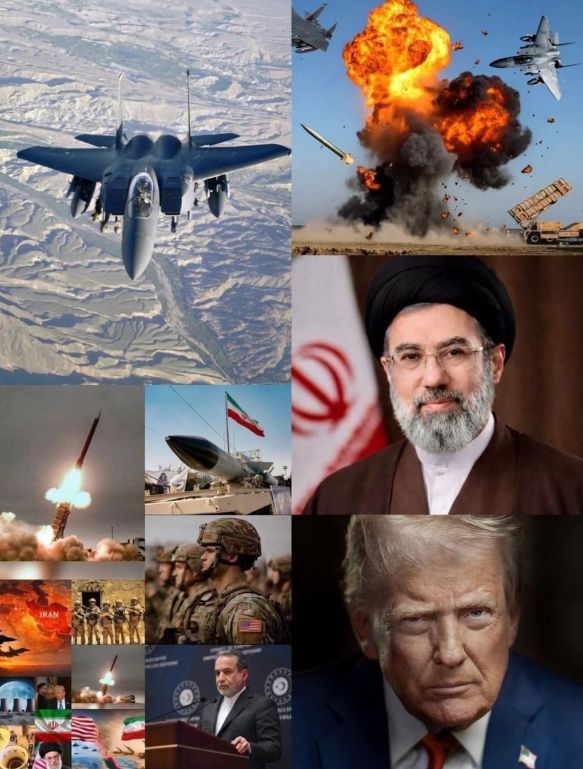
Viral posts claiming “Iran will strike America tonight” and naming specific U.S. states are spreading rapidly online, but there is currently no verified evidence from U.S. officials, major intelligence agencies, or credible news organizations confirming an imminent attack on the American mainland. Many of these posts appear designed to provoke fear, confusion, and panic during an already tense geopolitical situation.
That said, tensions between the United States and Iran are genuinely elevated right now.
The situation escalated after the United States increased military operations connected to securing shipping routes in the Persian Gulf. Iran has issued threats against American military assets and regional operations, while U.S. Central Command has responded with additional defensive deployments.
- attacks on U.S. military positions overseas,
- regional conflict in the Middle East,
- and a direct strike against the continental United States.
At the moment, there is no confirmed government warning indicating Iran is preparing to attack a U.S. state “tonight.”
Still, the rumors have exploded across social media.
Videos with dramatic music, flashing emergency graphics, and phrases like “World War III has begun” or “America under attack tonight” have generated millions of views. Many include fake maps, recycled footage from older wars, or AI-generated images presented as breaking news.
Security analysts warn that misinformation spreads especially fast during international crises.
One major problem is that real events are happening simultaneously. Missile launches in the Gulf region, naval clashes, sanctions, cyberattacks, and military alerts are all being reported. That creates an atmosphere where false rumors become easier for people to believe.
Online fear intensified after Iranian officials issued warnings against U.S. military operations near the Strait of Hormuz. Some Iranian state-linked media outlets also claimed attacks on American naval vessels, though U.S. officials denied those claims.
Meanwhile, the United States has acknowledged conducting defensive strikes after American ships reportedly came under attack in the region.
These developments are serious, but they do not automatically mean a direct attack on American cities is imminent.
Military experts note that Iran’s known capabilities primarily focus on:
- regional missile strikes,
- drone warfare,
- cyber operations,
- attacks on shipping,
- and proxy conflicts through allied groups in the Middle East.
Long-range capabilities targeting the U.S. mainland remain highly debated among analysts. Some experts believe Iran is years away from reliably developing such systems.
Another reason rumors spread so quickly is public anxiety.
Whenever headlines mention missiles, warships, or nuclear threats, people naturally become alarmed. Fear-driven content often performs extremely well online because users share it immediately without verifying sources.
On platforms like TikTok, X, Facebook, and YouTube, creators often compete for attention using dramatic wording such as:
- “Emergency alert!”
- “America under attack!”
- “Prepare now!”
- “This is not a drill!”
In many cases, these posts are based on speculation rather than confirmed intelligence.
Some viral accounts even combine unrelated footage from past conflicts with fake captions claiming explosions are happening inside the United States. Analysts have repeatedly urged people to rely on official emergency alerts and trusted reporting instead of anonymous social-media pages.
Despite the lack of verified evidence supporting the “tonight” claims, the broader conflict still carries significant global risks.
The Strait of Hormuz remains one of the world’s most important oil-shipping routes. Any sustained conflict there can impact oil prices, inflation, markets, and international security.
World leaders are currently pushing hard for negotiations to prevent further escalation. Reports indicate multiple countries are attempting to mediate between Washington and Tehran while military forces remain on high alert.
At the same time, cybersecurity officials have warned that increased tensions could lead to cyberattacks targeting infrastructure, businesses, or government systems. Experts say digital threats are often more likely than traditional missile strikes against the U.S. mainland.
Some commentators also worry about lone-wolf attacks or actions by proxy groups inspired by escalating tensions overseas. However, law-enforcement agencies continue monitoring threats closely, and there has been no nationwide emergency announcement tied to the viral rumors circulating tonight.
One of the biggest challenges during geopolitical crises is separating verified developments from fear-based exaggeration.
Real military incidents are occurring.
Real tensions exist.
Real risks remain.
But sensational social-media posts often distort events far beyond what evidence supports.
Even some online communities discussing the conflict have warned users against panic and misinformation. Several military-analysis forums noted that rumors about strikes frequently appear before facts are confirmed.
The rapid speed of modern information makes situations feel even more chaotic. Within minutes, rumors can spread globally, amplified by reposts, edited videos, AI-generated content, and emotional reactions.
For now, officials continue urging calm while diplomatic and military developments unfold overseas.
There is no verified confirmation that Iran is about to attack a specific U.S. state tonight.
People concerned about safety should rely on:
- official government alerts,
- trusted news organizations,
- emergency management agencies,
- and verified public statements.
Panic fueled by viral misinformation can sometimes spread faster than the actual events themselves.