

Maintaining a healthy sex life isn’t just about relationships—it’s also about your overall physical well-being. A growing body of research confirms that physical fitness plays a critical role in improving sexual health, stamina, and satisfaction for people of all ages.
Why Exercise Supports Sexual Health

Your sexual performance is deeply connected to your cardiovascular, hormonal, and musculoskeletal systems. Here’s why:
-
Better blood flow leads to improved arousal and sensitivity.
-
Endurance and stamina help you avoid fatigue or discomfort.
-
Strong pelvic muscles support control and satisfaction.
-
Lower stress levels can improve desire and focus.
-
Flexibility and mobility can reduce discomfort and tension.
Regular movement also boosts self-esteem and body image—two essential components of sexual confidence.
1. Cardio Workouts for Endurance and Circulation
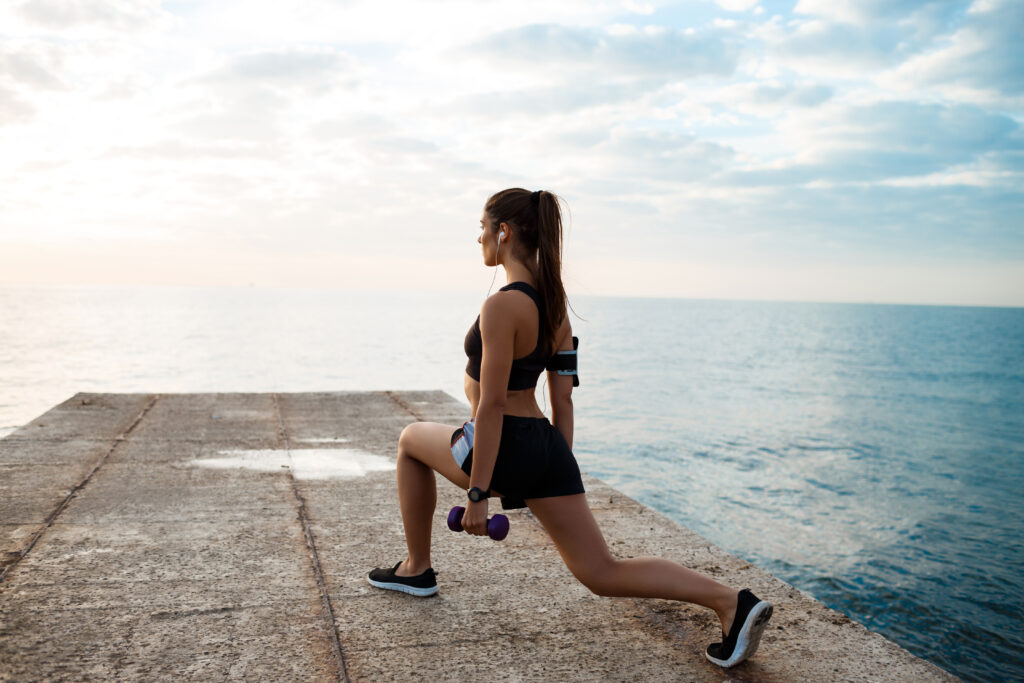
Why it matters:
Good cardiovascular health is crucial for healthy blood flow, which is directly linked to arousal and performance. It also helps regulate hormones, reduces anxiety, and increases energy levels.
Best exercises:
-
Brisk walking or jogging (30–45 minutes, 3–5 times/week)
-
Swimming – a full-body workout that’s joint-friendly
-
Cycling – improves lower body circulation
-
Dancing – fun, partner-friendly, and cardio-intense
Bonus:
A 2018 study in the Journal of Sexual Medicine found that men who exercised regularly had a significantly lower risk of experiencing erectile dysfunction, while women reported increased arousal and satisfaction.
2. Pelvic Floor Exercises for Control and Strength
Why it matters:
Often overlooked, the pelvic floor plays a vital role in sexual function. Strong pelvic muscles can enhance sensation, improve control, and reduce the risk of incontinence for all genders.
Best exercises:
-
Kegels (for men and women)
-
Tighten the muscles you’d use to stop urination. Hold for 3–5 seconds, then release. Repeat 10–15 times per set, 3 times a day.
-
-
Bridge pose (yoga)
-
Lie on your back with knees bent, feet flat. Raise hips toward the ceiling and engage your glutes and pelvic muscles. Hold for 5 seconds, repeat 10 times.
-
-
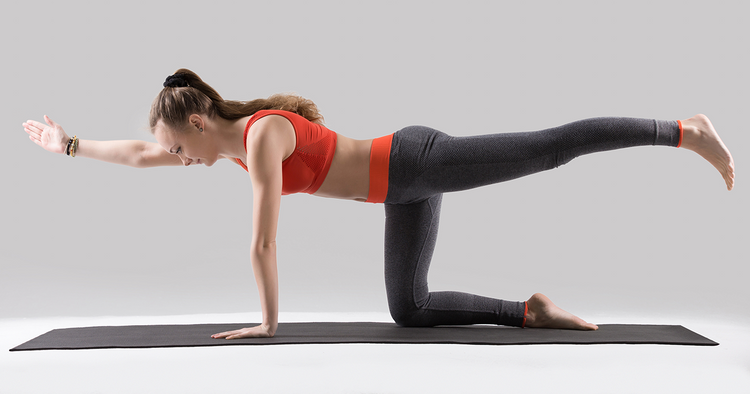
Bird dog
-
On all fours, extend one arm and the opposite leg while tightening core and pelvic muscles. Hold for a few seconds, then switch sides.
-
Bonus:
A 2022 review published in Urology found pelvic floor training to be a first-line treatment for various types of sexual dysfunction and urinary control.
3. Strength Training for Hormonal Health and Confidence

Why it matters:
Building muscle helps regulate key hormones like testosterone and estrogen, which play roles in libido and sexual performance. Strength training also boosts metabolism, body image, and emotional well-being.
Best exercises:
-
Squats – strengthens glutes and pelvic support muscles
-
Deadlifts – engages the lower back and hips
-
Push-ups or planks – improve core and upper body strength
-
Resistance bands – low-impact option for strength gains
Tip:
Focus on compound movements (those using multiple muscle groups) for maximum benefit. Aim for strength training at least 2–3 times per week, alternating muscle groups.
4. Yoga for Flexibility, Stress Relief, and Mind-Body Awareness
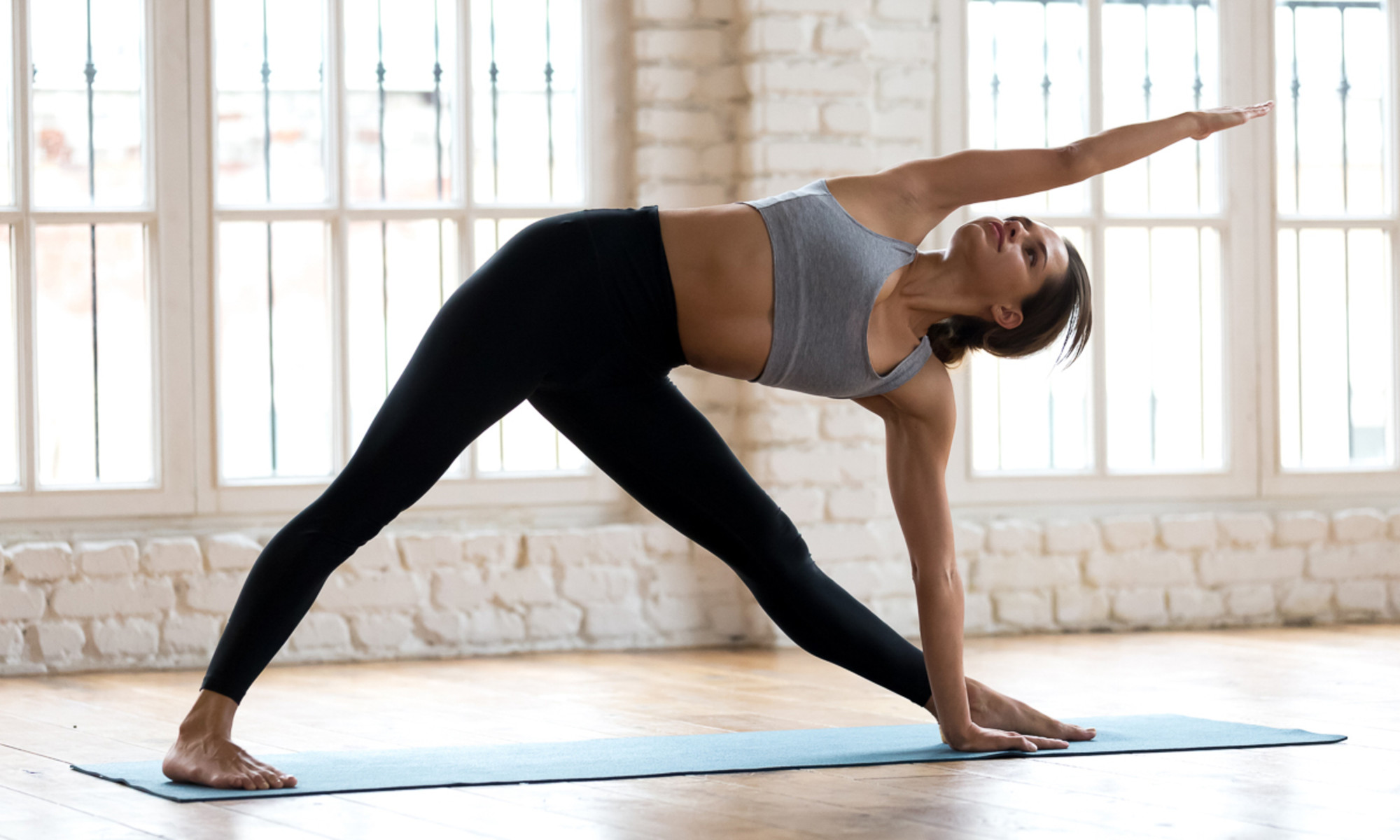
Why it matters:
Yoga enhances flexibility, reduces muscular tension, and improves mindfulness—helping you stay in the moment during intimate situations. Many yoga poses also strengthen the core and pelvic floor.
Best yoga poses:
-
Happy baby pose – stretches hips and lower back
-
Cat-cow pose – mobilizes spine and relieves tension
-
Cobra pose – opens the chest and strengthens the pelvic floor
-
Seated forward bend – stretches hamstrings and calms the nervous system
Mindful breathing:
Combine your poses with deep diaphragmatic breathing to reduce anxiety and increase blood oxygen levels, which supports arousal and focus.
5. Core Workouts for Stability and Balance
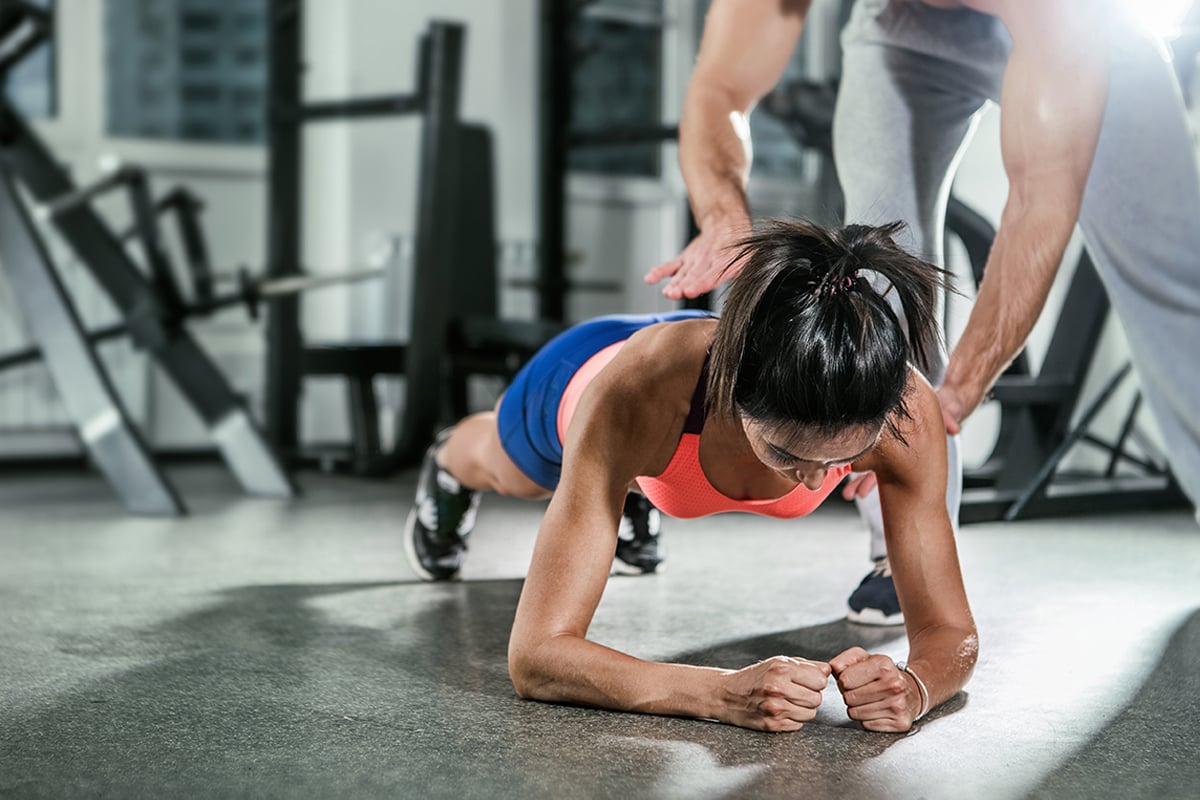
Why it matters:
Your core muscles (abs, lower back, obliques) provide stability, posture control, and balance—all of which contribute to comfort and endurance during physical intimacy.
Best exercises:
-
Plank (and side plank) – builds deep abdominal strength
-
Leg raises – strengthens the lower core and hips
-
Russian twists – targets obliques and rotational movement
-
Superman pose – strengthens the back and glutes
How often:
Incorporate core exercises 3–4 times per week. Even 10 minutes a day can make a difference.
6. Stretching and Mobility Work for Pain-Free Movement

Why it matters:
Tight muscles can cause discomfort, reduced movement range, or even pain during intimacy. Stretching promotes joint mobility and helps release tension in sensitive areas like the hips, thighs, and lower back.
Focus areas:
-
Hip flexors and hamstrings – improve hip range
-
Inner thighs (adductors) – allow better leg mobility
-
Lower back – prevents stiffness and soreness
-
Neck and shoulders – reduce built-up tension from stress
Suggested routine:
Try a 10-minute dynamic stretch before workouts and a cool-down static stretch afterward. On rest days, do light stretching or foam rolling.
7. Mind-Body Exercises to Enhance Focus and Desire
Why it matters:
Sexual desire often starts in the mind. Chronic stress, overwork, and emotional fatigue can lower libido—even when the body is healthy. Mind-body techniques enhance relaxation, awareness, and emotional connection.
Top mind-body practices:
-
Meditation (5–10 minutes daily): helps reduce cortisol and improves presence
-
Progressive muscle relaxation: tenses and relaxes each muscle group slowly
-
Guided visualizations: build mental intimacy and reduce performance anxiety
-
Couples breathing exercises: sync breath to build connection and trust
Bonus: Diet and Lifestyle Tips That Work With Exercise
Exercise is a major piece of the puzzle—but it’s even more effective when paired with smart lifestyle choices:
-
Stay hydrated – improves circulation and energy
-
Get quality sleep – 7–9 hours for hormonal regulation
-
Eat a heart-healthy diet – leafy greens, berries, lean protein, and omega-3s
-
Avoid tobacco and excess alcohol – both can impair performance and circulation
-
Manage stress – through journaling, therapy, or nature walks
Final Thoughts
You don’t need extreme routines or explicit content to improve your sexual well-being. Regular movement, mindful breathing, and strength building all support a more satisfying and connected experience with your partner.
By combining cardio, strength training, yoga, pelvic floor work, and core training, you can:
-
Boost physical stamina
-
Improve blood flow and flexibility
-
Reduce anxiety and improve mental focus
-
Build confidence and body awareness
And the best part? You’re also improving your overall health—heart, hormones, joints, and mind.
ST2. This Perfectly Innocent Quiz Will Reveal Whether You Have A D!rty Mind.
A Playful Quiz That Reveals Something Deeper
At first glance, it looks like harmless fun. A collection of everyday images invites you to “spot the bread” or notice something unusual in ordinary scenes. But as you move from one picture to the next, you may begin to notice a pattern. Some shapes appear familiar in unexpected ways, and suddenly the quiz feels less about observation and more about perception.
These types of quizzes have become widely popular online, not because they are provocative, but because they tap into something deeply human: the way our brains interpret visual information.
So what is really happening when people say a quiz reveals whether someone has a “dirty mind”? The answer lies not in the images themselves, but in how our brains are wired.

One of the key explanations behind these visual experiences is a psychological phenomenon known as pareidolia.
Pareidolia occurs when the brain recognizes familiar shapes or patterns in random or ambiguous stimuli. A classic example is seeing faces in clouds or shapes in shadows. In the case of visual quizzes, the same principle applies, but with more complex or suggestive patterns.
The brain is constantly trying to make sense of what it sees. When an image is slightly ambiguous, the mind fills in the gaps based on past experiences, cultural influences, and expectations.

How the Brain Processes Visual Information
To understand why these images can seem suggestive, it helps to look at how the brain processes visuals.
The field of Cognitive Psychology explains that perception is not just about seeing—it is about interpreting.
When you look at an image, your brain quickly:
Identifies basic shapes and outlines
Compares them to stored memories
Assigns meaning based on context
This process happens almost instantly. If an image contains shapes that loosely resemble familiar forms, the brain may interpret them in unexpected ways.


Cultural Influence and Interpretation
Perception is not universal. What one person sees in an image may differ from what another sees.
This is because interpretation is influenced by cultural background, personal experiences, and even mood. For example, someone who has seen many visual illusions before may recognize patterns more quickly.
Research in Neuroscience suggests that the brain uses shortcuts, known as heuristics, to process information efficiently. These shortcuts can sometimes lead to creative or surprising interpretations.
Why These Quizzes Go Viral
Content like this spreads quickly online because it combines curiosity, humor, and self-reflection.
There are several reasons why people engage with these quizzes:
They are easy to understand and quick to complete
They create a sense of personal discovery
They encourage sharing and comparison with others
Most importantly, they invite people to question their own perceptions in a lighthearted way.


The Role of Suggestion
Another important factor is suggestion. When a quiz hints that images may reveal something about your personality, it subtly influences how you view them.
This is similar to the Priming effect, where exposure to certain ideas affects how we interpret new information.
If you are told that an image might contain something hidden, your brain becomes more alert to finding patterns—even if they are not immediately obvious.
Are These Quizzes Scientifically Accurate?
While they are entertaining, it is important to approach such quizzes with a balanced perspective.
There is no scientific evidence that a simple visual quiz can determine personality traits in a meaningful way. Instead, these quizzes reflect general principles of perception and cognition.
They are best understood as playful demonstrations of how the brain works rather than diagnostic tools.
The Positive Side of Visual Illusions
Despite their simplicity, these quizzes offer real value.
They can:
Encourage curiosity about how the mind works
Highlight the complexity of perception
Provide a fun way to engage with psychology
In educational settings, similar illusions are often used to teach students about perception and brain function.


A Window Into Human Imagination
What makes these images fascinating is not what they show, but what they suggest.
The human brain is incredibly creative. It constantly searches for meaning, even in randomness. This ability is essential for survival, helping us recognize faces, interpret environments, and make quick decisions.
At the same time, it can lead to surprising interpretations that reveal just how flexible our perception can be.
Conclusion: Curiosity, Perception, and the Human Mind
In the end, quizzes like this are less about labeling people and more about exploring how we see the world.
They remind us that perception is not always objective. It is shaped by memory, culture, and expectation. What one person notices immediately, another may not see at all.
This shared curiosity is what makes such content so engaging. It invites us to look closer, think deeper, and appreciate the remarkable ways our minds interpret reality.
And perhaps that is the real takeaway. Not whether someone sees something unusual in an image, but how the human brain turns simple shapes into meaningful experiences.
Sources
- American Psychological Association
- National Institutes of Health
- Harvard University
- Research on visual perception and cognitive processing in peer-reviewed psychology journals